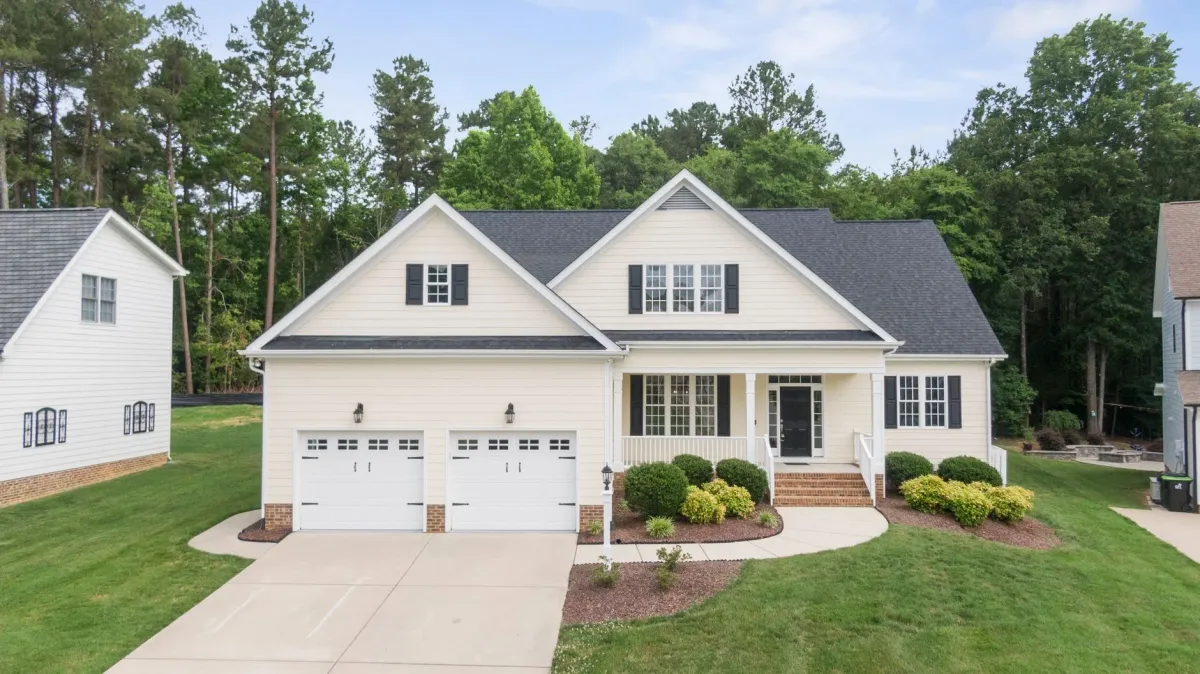
Setting the right price is the single most important decision you’ll make when selling your home. In the Harrisonburg, VA real estate market, a well-priced home attracts serious buyers quickly, often generates competitive interest, and tends to sell closer to full value. Price it wrong, and even a beautiful home in a wonderful location can sit, grow stale, and eventually sell for less than it should have. If you’re thinking about listing this year, understanding how pricing really works in Harrisonburg and Rockingham County will put you a step ahead.
Why Pricing Matters More Than You Think
Many sellers assume they can start high and “come down later” if the home doesn’t sell. The trouble is that the first two weeks on the market are when your listing gets the most attention. Buyers who have been watching inventory closely notice a new home immediately, and they compare it against everything else available. If your price is noticeably above comparable homes, those buyers move on, and your listing quietly loses momentum.
An overpriced home also runs into a practical wall: the appraisal. Even when a buyer is willing to pay a premium, their lender orders an appraisal to confirm the home’s value. If the appraisal comes in below the contract price, the deal can stall or fall apart. Pricing in line with real market data protects you from that headache and keeps your sale on track.
Understanding Comparable Sales in the Valley
The foundation of any accurate price is a comparative market analysis, often called a “CMA.” This is a look at what similar homes near you have actually sold for, not what they were listed for. The most useful comparisons come from homes that are close in square footage, age, condition, and location, and that sold within the last three to six months.
The Harrisonburg and Rockingham County market has real variety, from established in-town neighborhoods to newer developments and rural properties on acreage. A home near downtown Harrisonburg draws different buyers, and different price expectations, than a similar-sized home out toward Bridgewater or Broadway. Because of that, broad citywide averages only tell part of the story. Good pricing zooms in on your specific pocket of the market and adjusts for the features that make your home distinct, such as an updated kitchen, a finished basement, a garage, or a larger lot.
Timing Your Sale for Maximum Value
Price and timing work together. In the Shenandoah Valley, spring and early summer are traditionally the busiest stretch of the year, when buyer activity peaks and well-presented homes can command strong offers. Families often aim to move before a new school year, and the longer daylight makes homes and yards show at their best.
That doesn’t mean other seasons are a lost cause. Fall can be an excellent time to list because inventory usually thins out, leaving motivated buyers with fewer choices and less competition for your home. Even winter has its advantages: the buyers who are out looking in January tend to be serious and ready to act. The key is to match your pricing strategy to the conditions at the moment you list, rather than relying on what the market did a year ago. Interest rate movements and local inventory levels can shift buyer behavior quickly, so current data always beats old assumptions.
Preparing Your Home to Support Your Price
The number you list at needs to be backed up by what buyers see when they walk through the door. Small, affordable improvements often deliver the best return. Fresh, neutral paint, clean carpets, decluttered closets, and bright, well-lit rooms help a home feel cared for and move-in ready. Curb appeal matters too: a tidy lawn, trimmed landscaping, and a welcoming front entry set the tone before anyone steps inside.
You don’t need a full renovation to justify a strong price. Focus on the fixes that buyers notice most, such as dripping faucets, sticking doors, dated light fixtures, and scuffed baseboards. Professional photography is worth every penny, since the overwhelming majority of buyers see your home online first. When your home shows beautifully and is priced in line with the data, it gives buyers confidence and gives you leverage in negotiations.
Knowing When to Adjust
Even with careful pricing, the market has the final say. If your home has been listed for a couple of weeks with plenty of online views but few showings, that’s usually a signal the price is a touch high for what buyers see. Plenty of showings but no offers can point to a condition or presentation issue that’s easy to address. Paying attention to this feedback early, and being willing to make a modest, well-timed adjustment, keeps your sale from stalling and helps you avoid a bigger price cut down the road.
Let’s Find the Right Number Together
Pricing a home is part data and part local know-how, and it’s hard to get right on your own. At Valley Homes Team, we live and work in the Harrisonburg area, and we’d be glad to prepare a no-pressure market analysis so you can see exactly where your home fits in today’s Harrisonburg, VA real estate market. When you’re ready to talk through your options, we’re here to help you sell with confidence.